
Preparing Your Business for Smart Office Technology
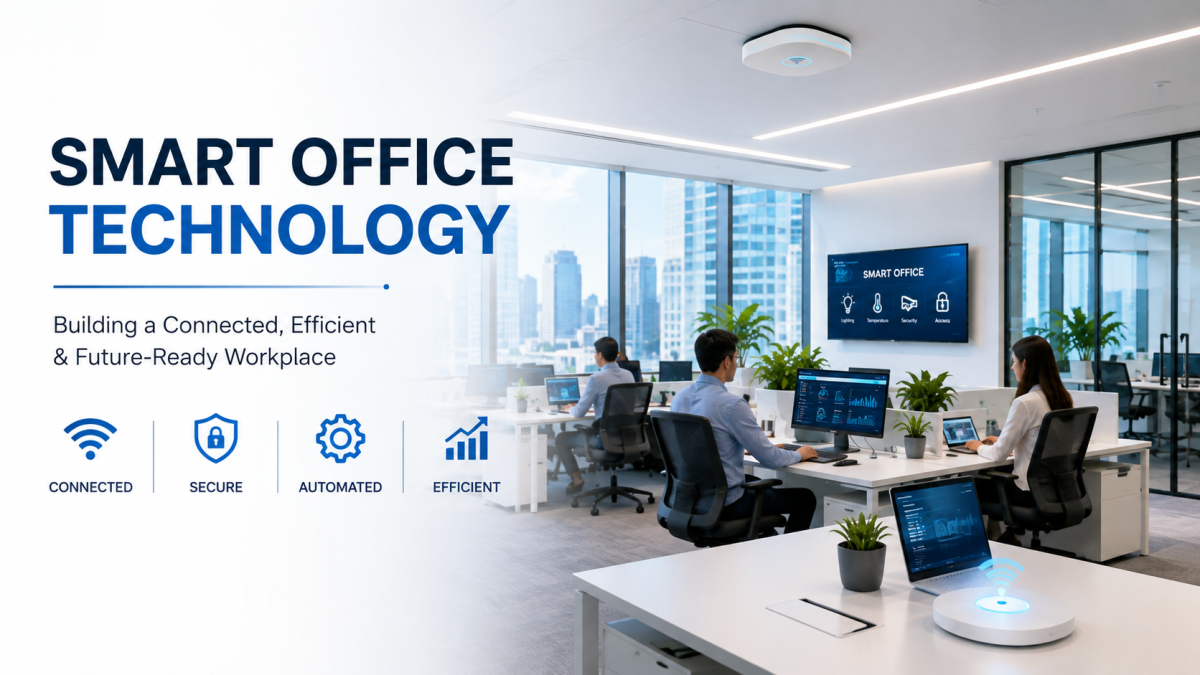
Smart Office Technology is transforming the way businesses operate by creating more connected, efficient, and productive workplaces. As organisations continue to embrace digital transformation, smart office solutions are becoming essential for improving collaboration, reducing operational costs, and supporting hybrid work environments.From enterprise WiFi and cloud-based communication systems to smart lighting, automated climate control, and connected security solutions, modern offices rely on advanced technologies that work together through a reliable network infrastructure.However, implementing smart office technology requires more than simply installing new devices. Businesses need a strong telecommunications foundation, structured cabling, high-speed connectivity, and scalable network infrastructure to ensure every system performs efficiently.In this guide, we’ll explore what smart office technology is, its benefits, and how businesses can prepare for a smarter, future-ready workplace.
What Is Smart Office Technology?
Smart office technology refers to the use of connected devices, automation, and intelligent systems that improve workplace efficiency, communication, and employee experience.These technologies work together through an integrated network to automate tasks, collect data, and simplify everyday operations.
Common smart office technologies include:
- Enterprise WiFi networks
- Smart lighting systems
- Intelligent climate control
- Occupancy sensors
- Video conferencing solutions
- Cloud collaboration platforms
- Access control systems
- CCTV security
- Smart meeting rooms
- Internet of Things (IoT) devices
When supported by reliable infrastructure, these technologies help businesses create more efficient and flexible work environments.
Why Businesses Are Adopting Smart Office Technology
Organisations across Australia are investing in smart office technology to improve productivity while adapting to changing workplace expectations.
Some of the main reasons include:
Improved Employee Productivity
Automation reduces repetitive tasks, allowing employees to focus on higher-value work.Reliable connectivity also improves collaboration through video meetings, cloud applications, and shared digital workspaces.
Better Workplace Flexibility
Hybrid work has become a permanent part of many businesses.Smart office technology enables employees to work efficiently whether they are in the office, working remotely, or travelling.
Reduced Operating Costs
Smart lighting, automated air conditioning, and energy management systems help businesses reduce electricity consumption and lower operating expenses.
Enhanced Employee Experience
Comfortable workplaces equipped with intelligent lighting, temperature control, and reliable wireless connectivity create a better experience for employees and visitors alike.
Key Components of a Smart Office
Building a smart office involves integrating several technologies into one connected infrastructure.
Enterprise WiFi
Enterprise WiFi provides fast, secure, and reliable wireless connectivity throughout the workplace.
A professionally designed wireless network supports:
- Employees
- Visitors
- Mobile devices
- Smart office equipment
- Cloud applications
- Video conferencing
Strong WiFi coverage is essential for maintaining productivity and ensuring connected devices operate without interruption.
Structured Cabling
Structured cabling forms the backbone of every smart office.
It connects:
- Computers
- Wireless access points
- Security systems
- Servers
- Network switches
- VoIP phones
- Building automation systems
A properly installed structured cabling system provides the flexibility needed for future upgrades and expansion.
Fibre Optic Connectivity
Fibre optic cabling delivers high-speed data transmission with excellent reliability.
Its benefits include:
- Higher bandwidth
- Faster communication
- Lower latency
- Better cloud performance
- Support for growing business demands
Many modern offices rely on fibre infrastructure to support high-capacity business networks.
Smart Security Systems
Modern workplaces increasingly use connected security solutions such as:
- CCTV surveillance
- Access control
- Visitor management
- Remote monitoring
- Smart alarms
These systems improve workplace security while providing greater visibility and control.
Cloud-Based Collaboration
Cloud technologies allow employees to access files, applications, and communication tools from virtually anywhere.
Popular workplace solutions include:
- Cloud storage
- Online collaboration platforms
- Video conferencing
- Cloud phone systems
- Shared document management
Reliable network infrastructure ensures these services perform consistently.
Benefits of Smart Office Technology
Businesses that invest in smart office solutions enjoy several long-term advantages.
Increased Productivity
Employees spend less time dealing with technical issues and more time completing important tasks.
Better Collaboration
Reliable connectivity enables teams to communicate seamlessly using cloud-based collaboration tools and video conferencing platforms.
Improved Security
Connected security systems provide better monitoring, access control, and faster incident response.
Greater Energy Efficiency
Automated building systems help reduce unnecessary energy consumption while improving sustainability.
Scalability
A smart office infrastructure can easily support additional employees, devices, and technologies as the business grows.
Enhanced Business Continuity
Reliable communications infrastructure reduces downtime and helps businesses continue operating during unexpected disruptions.
Common Challenges When Implementing Smart Office Technology
Although smart offices offer significant benefits, businesses may encounter several challenges during implementation.
These include:
- Outdated network infrastructure
- Poor wireless coverage
- Limited internet bandwidth
- Inadequate structured cabling
- Device compatibility issues
- Cybersecurity concerns
- Lack of scalability
Working with experienced telecommunications specialists helps businesses overcome these challenges while ensuring every system integrates effectively.
Building the Right Foundation
Before introducing smart office devices, businesses should evaluate their existing infrastructure.
Questions to consider include:
- Is the current network fast enough?
- Does the office have reliable WiFi coverage?
- Can the structured cabling support future expansion?
- Is fibre optic connectivity required?
- Are network cabinets organised and scalable?
- Is the communications room designed for future growth?
Answering these questions early helps avoid costly upgrades and ensures your smart office technology performs at its best.
Steps to Prepare Your Business for Smart Office Technology
Transitioning to a smart office requires careful planning and the right infrastructure. By taking a strategic approach, businesses can maximise the benefits of connected technologies while avoiding costly upgrades in the future.
1. Assess Your Existing Infrastructure
Start by evaluating your current network infrastructure, including internet connectivity, structured cabling, wireless coverage, and communications equipment.
Consider questions such as:
- Can your network support additional connected devices?
- Are there WiFi dead zones within the office?
- Is your cabling infrastructure ready for future expansion?
- Does your business require faster internet connectivity?
A professional network assessment helps identify improvements before implementing smart office solutions.
2. Upgrade Your Network Infrastructure
Smart office technology depends on a fast, stable, and secure network.
Businesses should invest in:
- Enterprise-grade networking equipment
- High-speed fibre optic connectivity
- Structured cabling
- Reliable network switches
- Scalable communications cabinets
A robust infrastructure ensures every connected device performs reliably.
3. Improve Wireless Coverage
Many smart office devices communicate over WiFi.
Conducting a professional WiFi site survey or heat mapping assessment helps identify weak coverage areas and determine the ideal placement of wireless access points.
Reliable wireless connectivity improves employee productivity while supporting IoT devices, cloud applications, and video conferencing.
4. Prioritise Cybersecurity
As more devices connect to your network, protecting business data becomes increasingly important.
Businesses should implement:
- Secure WiFi authentication
- Business-grade firewalls
- Multi-factor authentication
- Network segmentation
- Regular software updates
- Continuous monitoring
Strong cybersecurity protects connected devices while reducing the risk of data breaches.
The Role of Enterprise WiFi and Structured Cabling
Enterprise WiFi and structured cabling are the foundation of every successful smart office.
Enterprise WiFi delivers secure, high-speed wireless connectivity for employees, guests, and connected devices.
Structured cabling provides the physical infrastructure that supports:
- Wireless access points
- Computers and laptops
- VoIP phone systems
- Security cameras
- Access control systems
- Smart lighting
- Building automation
- Cloud connectivity
Together, these technologies create a reliable and scalable workplace network.
Future Trends in Smart Office Technology
Smart office technology continues to evolve as businesses adopt new digital solutions.
Some of the key trends shaping the future include:
Artificial Intelligence (AI)
AI is being used to automate workplace tasks, monitor network performance, improve energy efficiency, and enhance security.
Internet of Things (IoT)
Connected sensors and devices allow businesses to collect real-time data, automate building systems, and improve operational efficiency.
Smart Meeting Rooms
Modern meeting rooms now include wireless presentation systems, intelligent scheduling displays, and high-quality video conferencing technology.
Energy Management
Smart lighting and climate control systems automatically adjust based on occupancy, helping businesses reduce operating costs.
Predictive Maintenance
Connected equipment can monitor its own performance and notify maintenance teams before failures occur, reducing downtime.
Why Choose Digital Sydney Communications?
Digital Sydney Communications helps businesses across Sydney design and implement reliable network infrastructure for modern workplaces.
Our experienced team delivers tailored solutions that support today’s business requirements while preparing organisations for future technology.
Our services include:
- Enterprise WiFi installation
- Structured cabling
- Fibre optic cabling
- Commercial telecommunications infrastructure
- Network design
- WiFi heat mapping
- Network testing and certification
- Communications room fit-outs
- Ongoing maintenance and support
Whether you’re upgrading an existing office or fitting out a new commercial space, we provide scalable solutions designed to support smart office technology.
Frequently Asked Questions
What is smart office technology?
Smart office technology refers to connected systems and devices that improve workplace efficiency, communication, automation, and employee productivity.
Why is enterprise WiFi important in a smart office?
Enterprise WiFi provides reliable wireless connectivity for employees, visitors, cloud applications, and connected smart devices throughout the workplace.
Do smart offices require structured cabling?
Yes. Structured cabling provides the backbone for enterprise WiFi, security systems, cloud services, VoIP phones, and building automation technologies.
Is fibre optic cabling recommended for smart offices?
Fibre optic cabling offers higher bandwidth, faster speeds, and greater reliability, making it an excellent choice for businesses planning future growth.
Can existing offices be upgraded into smart offices?
Absolutely. Most workplaces can gradually adopt smart office technologies by upgrading their network infrastructure, wireless coverage, and communications systems.
Internal Linking
Link to Related Blog Posts
- The Role of Enterprise WiFi in Modern Workplaces
- How WiFi Heat Mapping Improves Business Wireless Performance
Conclusion
Smart Office Technology is reshaping the modern workplace by improving productivity, collaboration, security, and operational efficiency. From enterprise WiFi and structured cabling to fibre optic connectivity and intelligent building systems, every smart office relies on a strong and scalable network infrastructure.By investing in the right technology and planning for future growth, businesses can create flexible workplaces that support employees, connected devices, and evolving business needs.Digital Sydney Communications specialises in designing and installing reliable telecommunications infrastructure for smart offices across Sydney. Whether you’re planning a new office fit-out or upgrading your existing workplace, our team can help you build a connected, secure, and future-ready business environment.