
CEL-FI installation Sydney
CEL-FI installation for stronger indoor mobile coverage.
Address weak indoor mobile reception with an assessment-led approach to cellular coverage, equipment planning, professional installation, testing and handover.
Sydney and NSW focus. Australia-wide delivery where project requirements call for it.
- Site survey and RF assessment
- Qualified solution planning
- Testing and handover
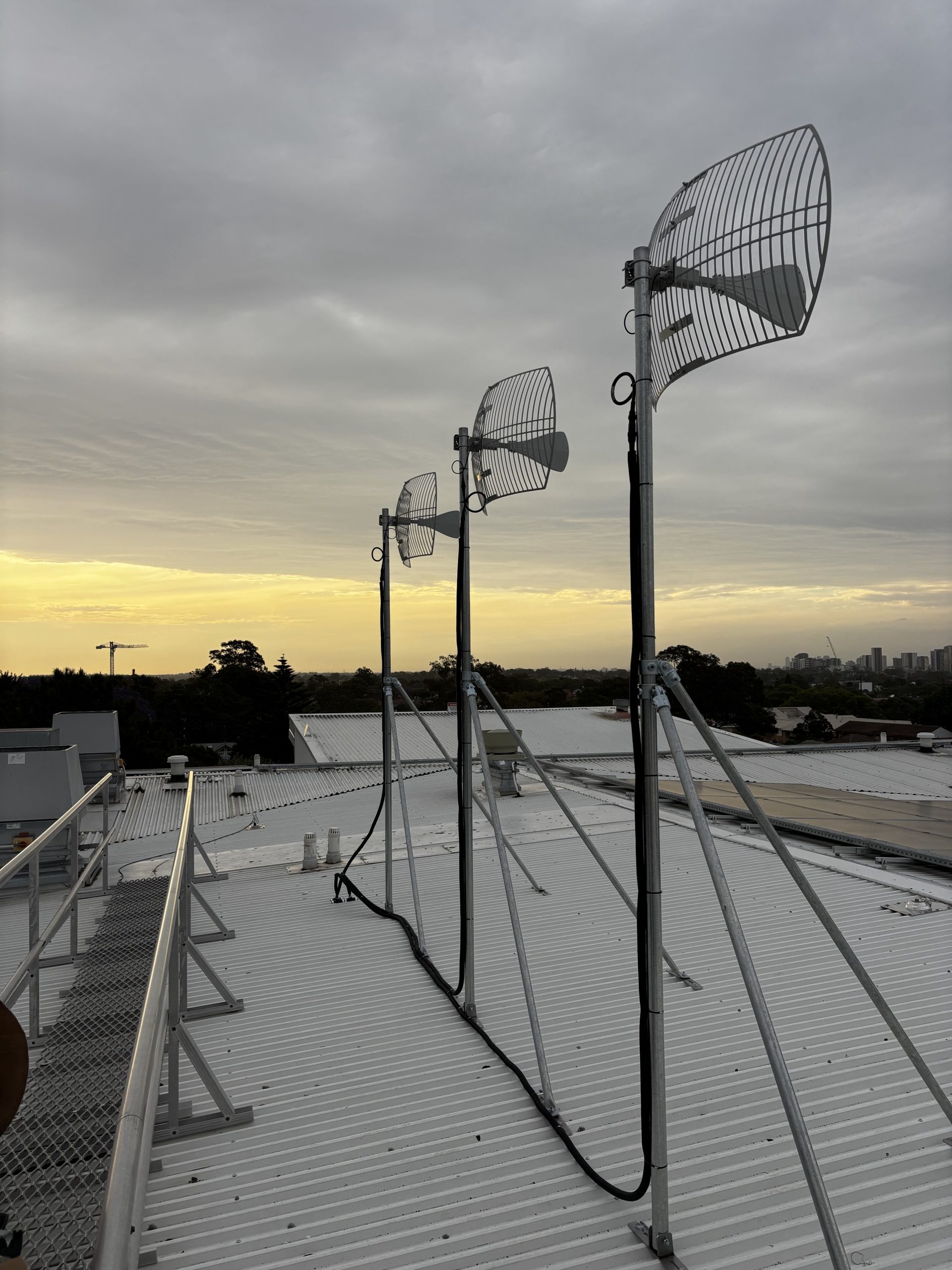
Assessment first
Measure before recommending
Review the signal and priority areas.
Plan around the premises
Consider layout, materials and use.
Use authorised equipment
Confirm the carrier and regulatory pathway.
The coverage problem
Why indoor mobile reception becomes unreliable
A usable outdoor signal does not always translate into consistent coverage throughout a building. The cause and the right response need to be assessed at the site.
01
Building materials
Concrete, steel, insulation and performance glazing can reduce the signal reaching internal rooms.
02
Distance and terrain
The available outdoor signal can vary with tower distance, surrounding buildings and local terrain.
03
Lower levels
Basements, car parks and lower floors are often separated from the strongest available outdoor signal.
04
Isolated rooms
Internal layouts can create local dead zones even when reception is usable elsewhere on the premises.
Assessment-led suitability
When CEL-FI may be the right approach
CEL-FI may suit a focused coverage problem where an authorised cellular repeater can use an available donor signal to improve service in defined indoor areas.
Suitability depends on the existing signal, required carrier, premises, priority zones and the specific authorised equipment available for that network.
No solution is recommended from a floor plan alone. A survey helps establish whether CEL-FI, DAS or another approach should be considered.
Targeted coverage area
A smaller premises or defined internal zone rather than a complex building-wide requirement.
Usable donor signal
The assessment identifies whether a suitable network signal is available at the property.
Defined carrier need
The required mobile network and authorised equipment pathway can be clearly established.
Professional verification
Installation and testing can be completed against the agreed scope and priority areas.
Choose by requirement
CEL-FI versus DAS
Both approaches address indoor cellular coverage, but serve different levels of scale and complexity. The survey and carrier requirement guide the recommendation.
Focused solution
CEL-FI
May be considered for a defined coverage problem in a home, office, retail, hospitality or smaller commercial environment.
- Assessment of available donor signal
- Carrier- and equipment-specific planning
- Defined internal coverage areas
- Professional installation and testing
Broader infrastructure
Distributed antenna system
Often considered for larger, more complex, multi-level or multi-carrier environments requiring broader building-wide design.
- Complex building layouts
- Multiple coverage zones or levels
- Potential multi-carrier requirements
- Engineered design and integration
Solution and installation
From weak reception to a defined installation scope
The exact product, carrier and equipment arrangement are confirmed only after the site and regulatory pathway are understood.
Site assessment
Review the existing mobile signal, affected rooms, building materials, user needs and available site information.
System planning
Define the carrier requirement, equipment approach, cable routes, antenna positions and installation constraints.
Equipment placement
Position donor and service components around measured signal conditions and priority indoor areas.
Professional installation
Install the agreed equipment and cabling neatly, safely and in line with the approved project scope.
Testing and verification
Check operation and agreed coverage areas, recording the handover information included in the scope.
Ongoing support
Discuss support requirements without assuming an unconfirmed maintenance package.
Delivery process
Assess, design, install and verify
Each stage reduces uncertainty before equipment is selected and installed.
01
Assess
Measure existing reception and document the coverage problem.
02
Design
Define the authorised solution, equipment positions and installation scope.
03
Install
Complete the approved installation and integrate the selected components.
04
Test and hand over
Verify agreed areas and provide the included project records.
Potential environments
Coverage requirements vary by premises
These environments may present targeted indoor reception problems, but inclusion here does not mean CEL-FI is automatically suitable. The site assessment remains the starting point.
01
Homes and residential premises
02
Offices and commercial premises
03
Retail and hospitality
04
Warehouses and industrial sites
05
Remote or regional facilities
06
Defined rooms and operational areas
COMPLETED WORK
Completed CEL-FI installation projects
Real CEL-FI and Nextivity installations completed by Digital Sydney Communications for aged-care environments in New South Wales.
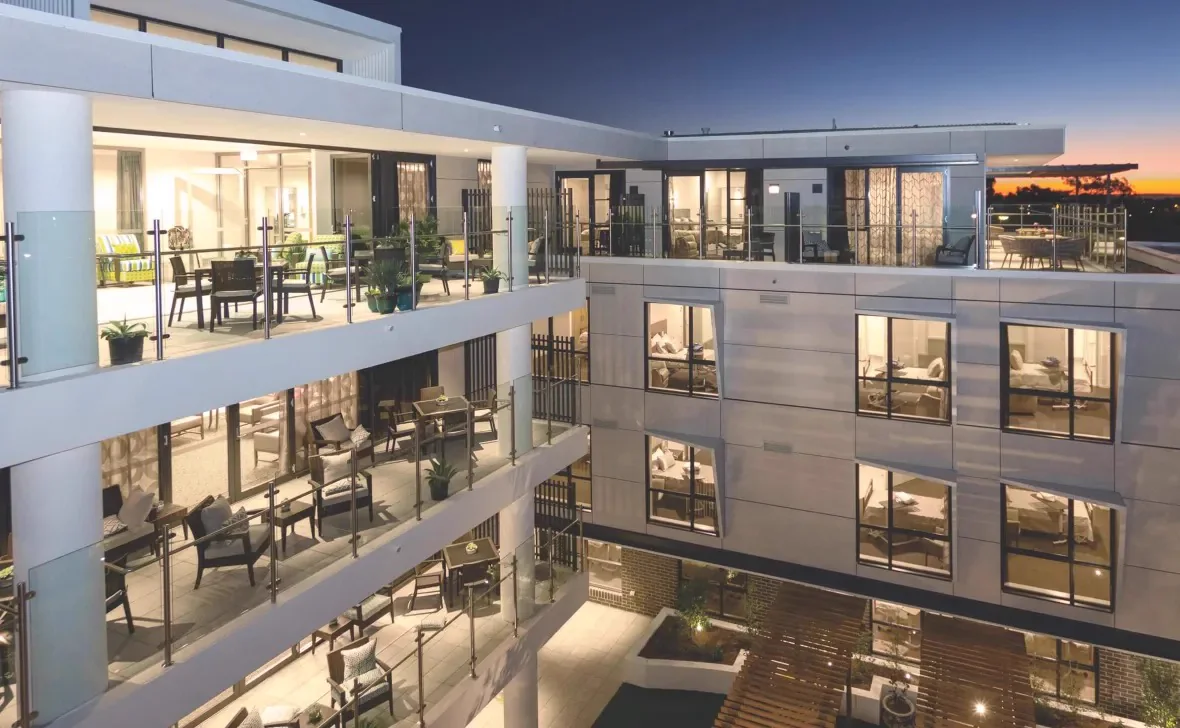
AGED CARE · ASHFIELD NSW
Opal Aged Care — Ashfield
CEL-FI/Nextivity indoor mobile coverage installation incorporating rooftop donor antennas, antenna masts and indoor antenna infrastructure.
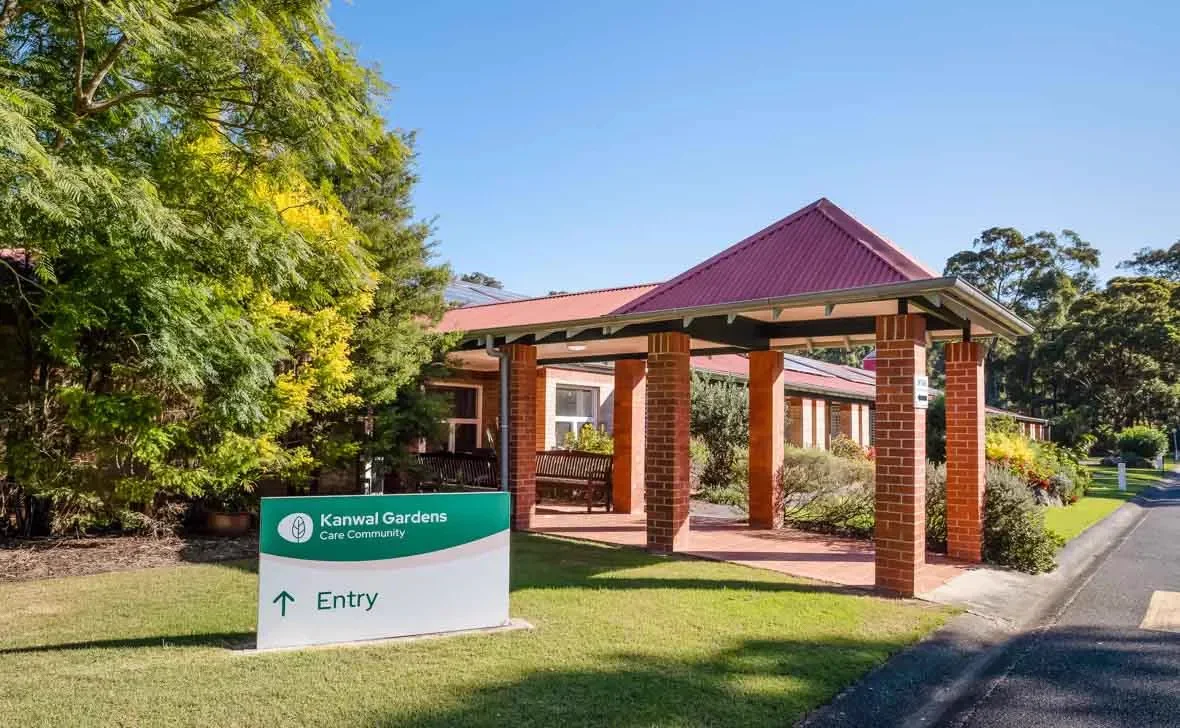
AGED CARE · CENTRAL COAST NSW
Opal Aged Care — Kanwal Gardens
CEL-FI/Nextivity indoor mobile coverage installation with equipment cabinets and indoor antenna infrastructure.
Planning information
CEL-FI and mobile coverage questions
The answers are intentionally qualified. The exact carrier, equipment and installation pathway must be confirmed for the site.
CEL-FI is Nextivity’s brand of cellular coverage solutions. Digital Sydney assesses whether an authorised CEL-FI repeater solution may suit the premises and required mobile network.
No. Wi-Fi provides local network and internet access through a Wi-Fi router or access point. CEL-FI works with a mobile carrier’s cellular signal, subject to selected equipment and carrier authorisation.
CEL-FI may suit a focused coverage problem. DAS is often considered for larger, multi-level, complex or potentially multi-carrier requirements. A site assessment helps determine which approach should be considered.
Carrier support is specific to the proposed equipment and authorisation pathway. Digital Sydney must confirm the required network and suitable authorised product before making a recommendation.
ACMA distinguishes prohibited mobile phone boosters from authorised cellular mobile repeaters. A repeater can only be operated with the required written carrier permission. Specific equipment and authorisation must be checked before supply or use.
The assessment reviews the available signal, affected rooms, priority coverage areas, building materials, carrier requirement and installation constraints so an appropriate next step can be defined.
Testing checks operation and the agreed coverage areas against the approved project scope. Exact measurements and handover records depend on the selected solution and documented acceptance requirements.
Next step
Request an assessment of your indoor mobile coverage.
Share the location, premises type, affected areas, required mobile network and any available plans or signal information.